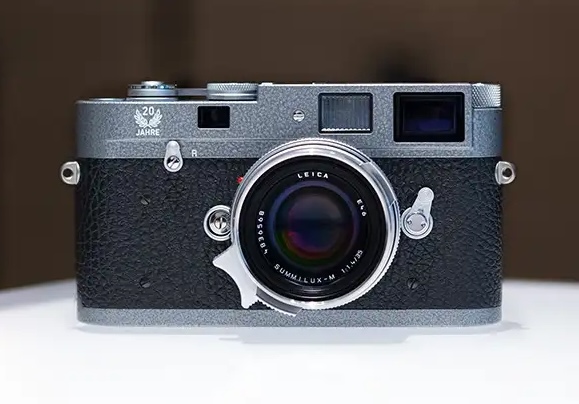
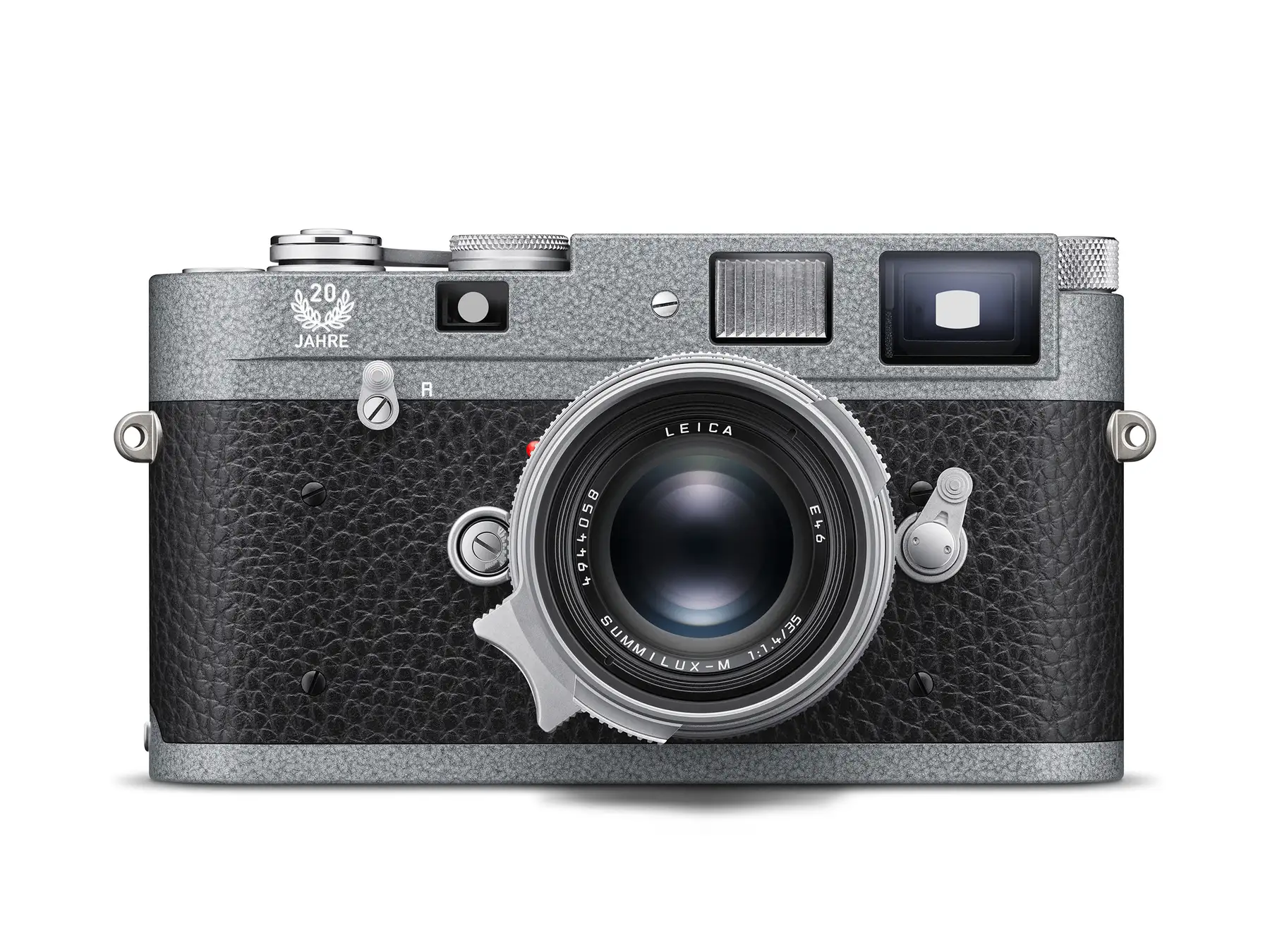
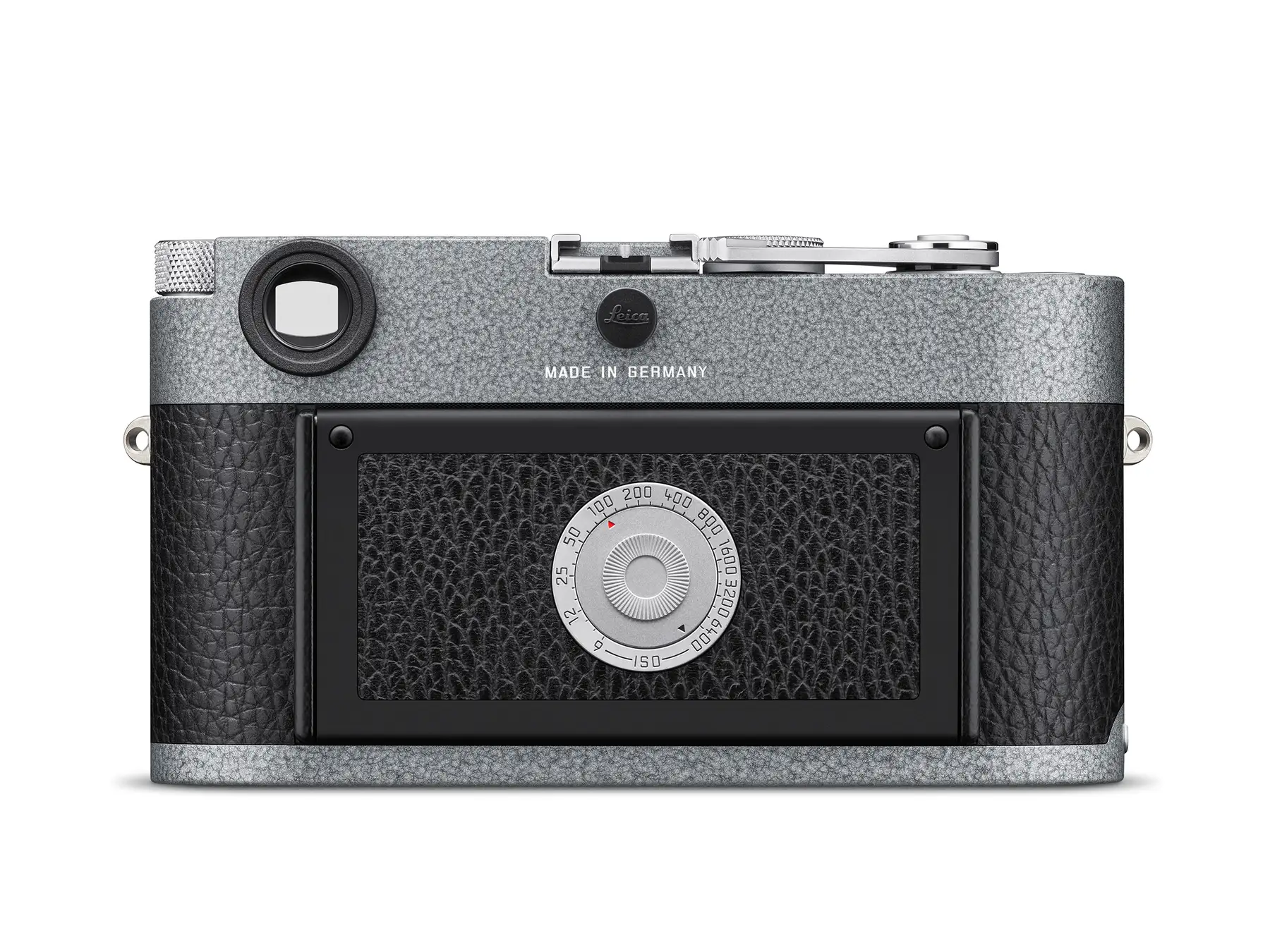
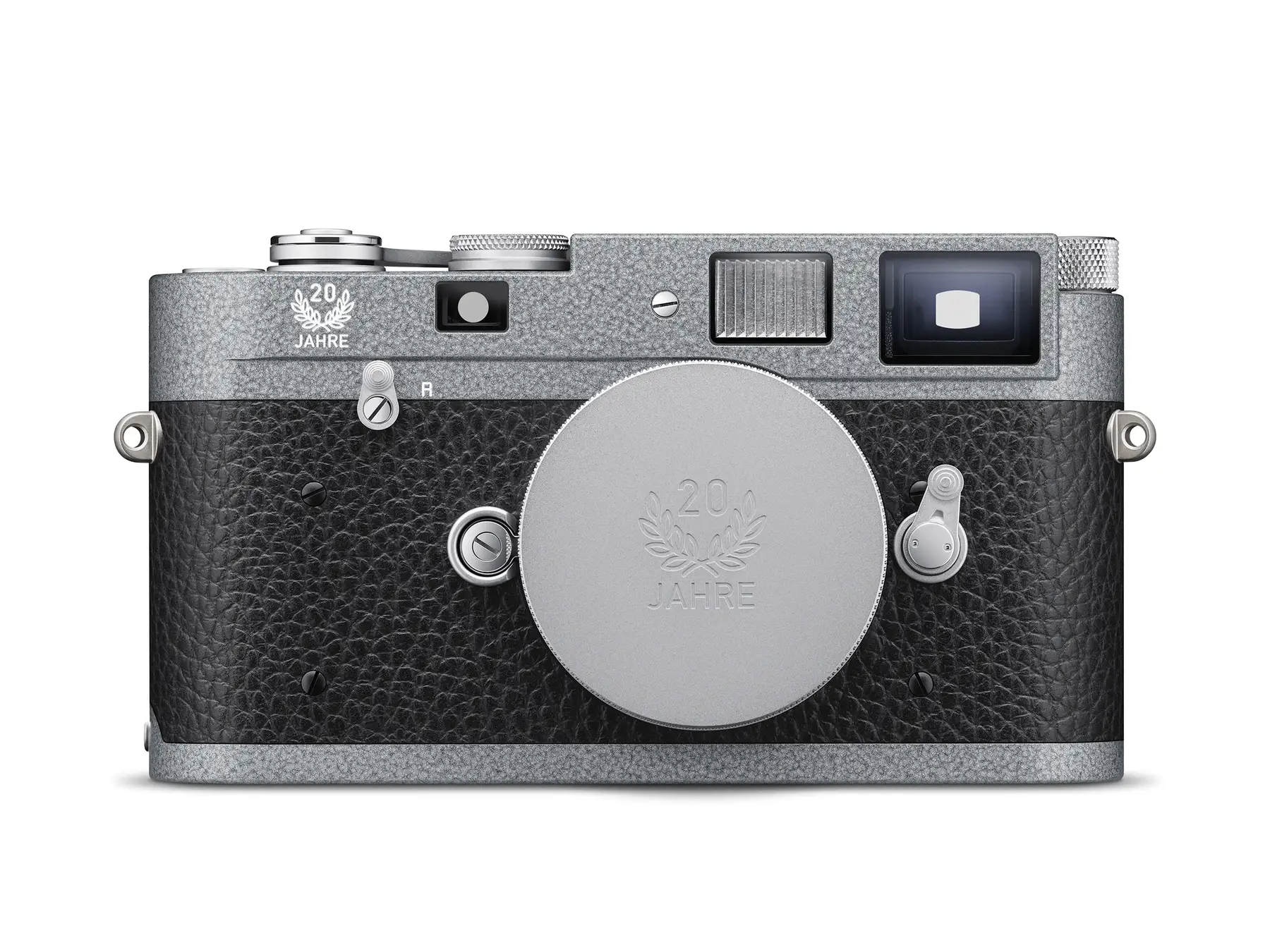
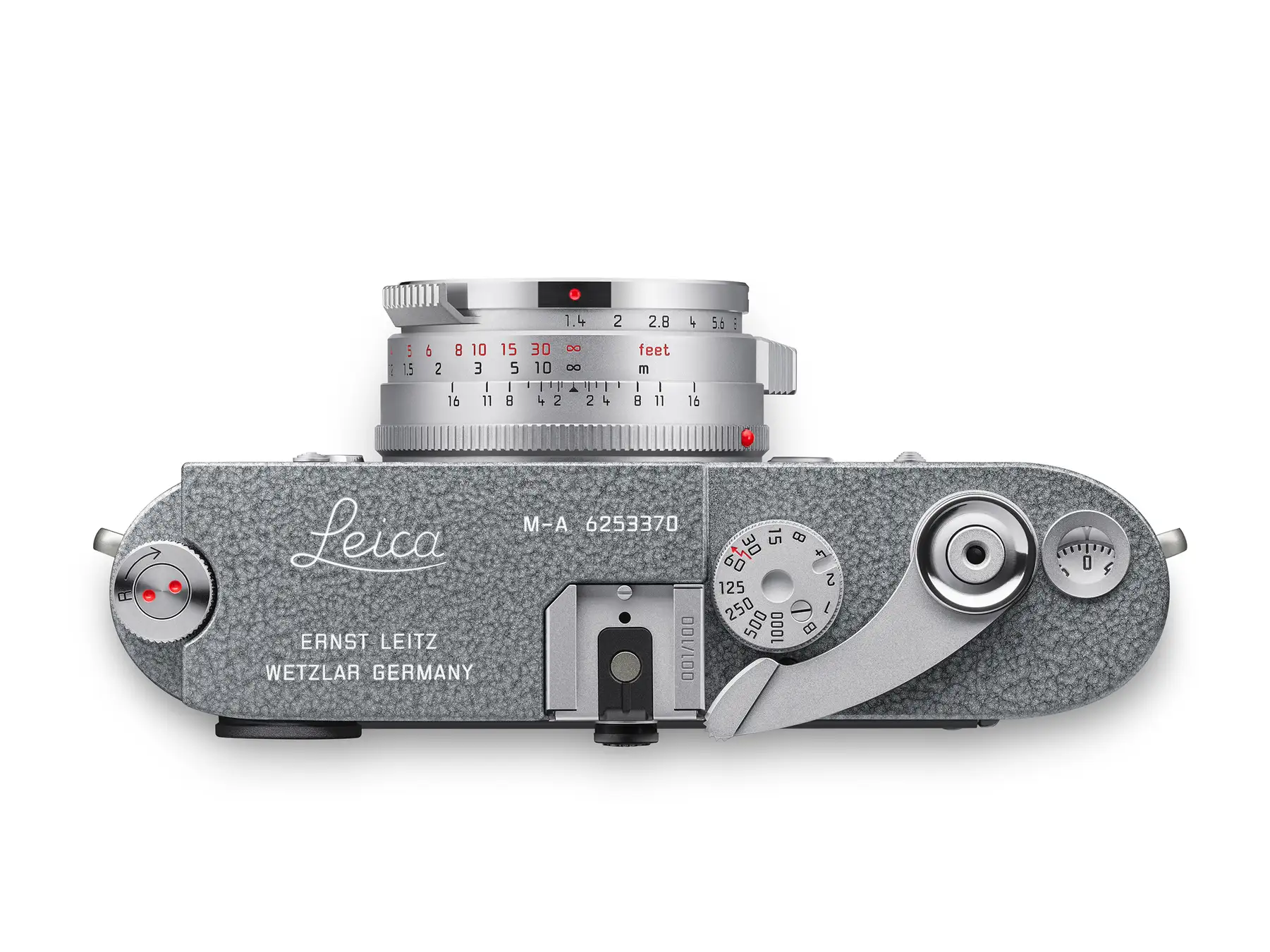
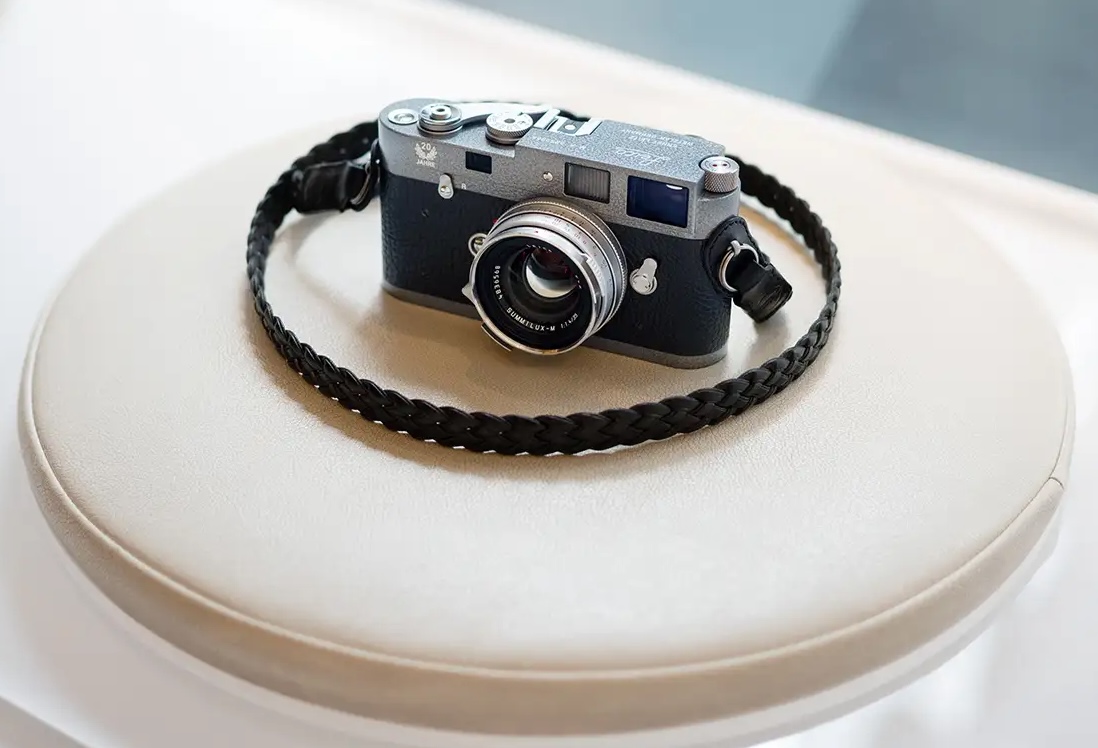
Leica Camera Japan announced the release of a special 100-unit limited edition Leica M-A Hammertone “Leica Store Ginza 20th Anniversary” camera to celebrate the 20th anniversary of the opening of Leica Store Ginza. Based on the mechanical rangefinder Leica MP, the battery-free film M-A camera features the distinctive gray Hammertone paint finish on the top cover and base plate, an engraved “20 JAHRE” marking on the front body, and the classic Leica logo on the top cover. The new model will be available starting April 25, 2026, exclusively at Leica stores in Japan.
Additional information:
A limited edition model of 100 units has been released to commemorate the 20th anniversary of the Leica Ginza store.
Leica Camera Japan Co., Ltd. opened the Leica Ginza store in April 2006 as the world’s first directly managed Leica store, and this year marks its 20th anniversary. To celebrate this milestone, we are pleased to announce the release of the “Leica MA Hammertone “Leica Store Ginza 20th Anniversary”,” a special limited edition model commemorating the 20th anniversary of the Leica Ginza store, with only 100 units available.
The Leica MA is a true mechanical rangefinder camera that symbolizes a return to the essence of photography. Based on the film camera Leica MP, it does not require batteries as it has had its light meter removed. The special limited edition model features “20 JAHRE” engraved on the left side of the front of the body to indicate the 20th anniversary, and the classic “Leica” logo engraved on the top cover, giving it an elegant presence and a classic impression.
The top cover and base plate feature a gray “hammer tone” paint finish with intricate textures that create a unique look. This textured coating is characterized by its distinctive hammered surface texture and handcrafted appearance. This finish is widely used in industrial design and has become established as the exterior finish for high-quality technical equipment, particularly in Germany. Its appearance is recognized as a symbol of durability, functionality, and precision.
From the late 1950s onward, Ernst Leitz Wetzlar frequently used this finish on relatively large products such as microscopes, slide projectors, enlargers, and the Leicina Super 8 cine camera, but it was rarely used on Leica cameras. Examples include the Leica MD, a copying camera designed for the Leitz Reprovit copying system, and the Leica MS, a prototype developed for handheld aerial photography. These models are now particularly rare and highly sought after by collectors.
The Leica MA Hammertone “Leica Store Ginza 20th Anniversary” special limited edition model, commemorating the 20th anniversary of the Leica Ginza store, is scheduled to be released at Leica stores throughout Japan on Saturday, April 25, 2026.
Retail 20th Anniversary
In 2006, the Leica Camera Group began shifting its sales system to a selective distribution model. This change was prompted by Hermès, a shareholder at the time who had been selling Leica products directly from the beginning. Today, Leica operates approximately 120 stores worldwide and has established a unique position through a multi-channel model that integrates physical stores with e-commerce and auctions.
Leica Ginza Store
“Timeless Vision: Leica Store Ginza 20th Anniversary Exhibition” – A photo exhibition commemorating the 20th anniversary will be held.
Leica Gallery Tokyo was established as the world’s second directly managed Leica gallery, following the one in Wetzlar, Germany, and is also celebrating its 20th anniversary.
Leica Gallery Tokyo (2nd floor of Leica Ginza store)
From April 26th (Sun) to July 21st (Tue), 2026, Leica Gallery Tokyo and Leica Professional Store Tokyo will host the 20th Anniversary Photo Exhibition ” Timeless Vision “.
This group exhibition, featuring 35 works by 12 renowned photographers from Japan and abroad who have previously held exhibitions at the Leica Gallery Tokyo, is curated by Karin Lane-Kaufmann, President and Art Director of Leica Gallery International.
This exhibition features a carefully selected collection of exquisite works from Leica’s archive collection, symbolizing the history of photography, including pieces by Elliott Erwitt, Sébastien Salgado, Henri Cartier-Bresson, Constantin Manos, Jürgen Schadeberg, Bruce Gilden, René Bri, Robert Doisneau, and Marc Riboud, as well as representative works by Herbie Yamaguchi, Kikuji Kawada, and Yoshino Oishi that symbolize their journeys and their relationship with Leica.