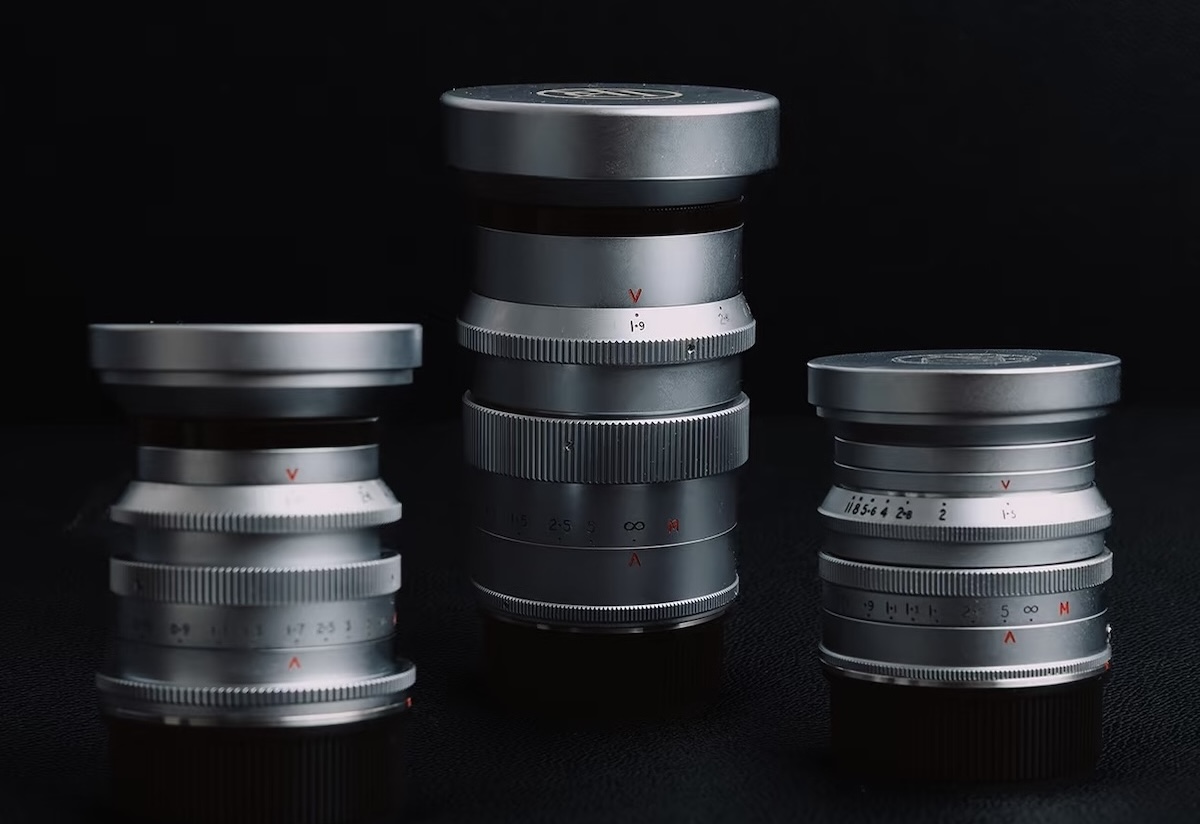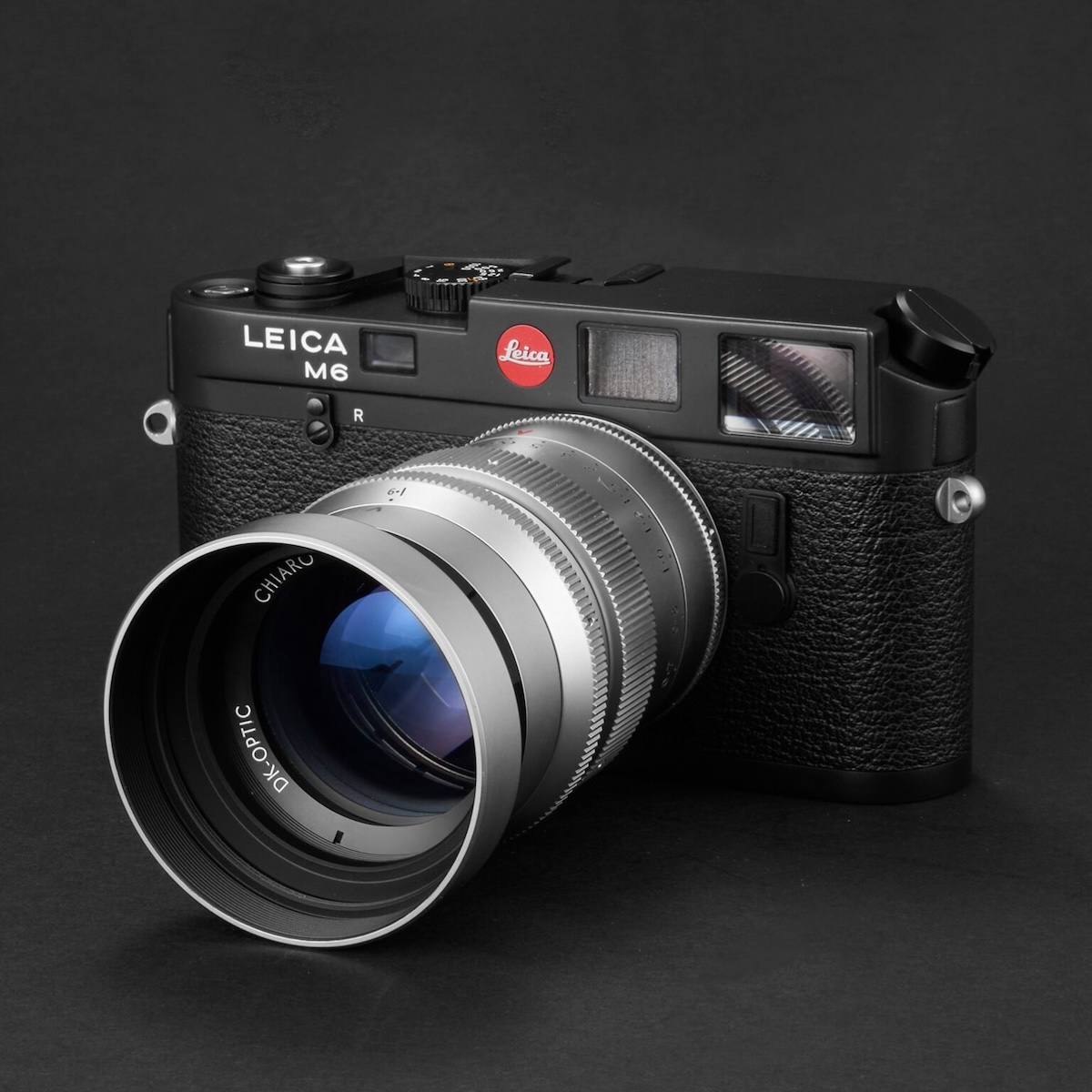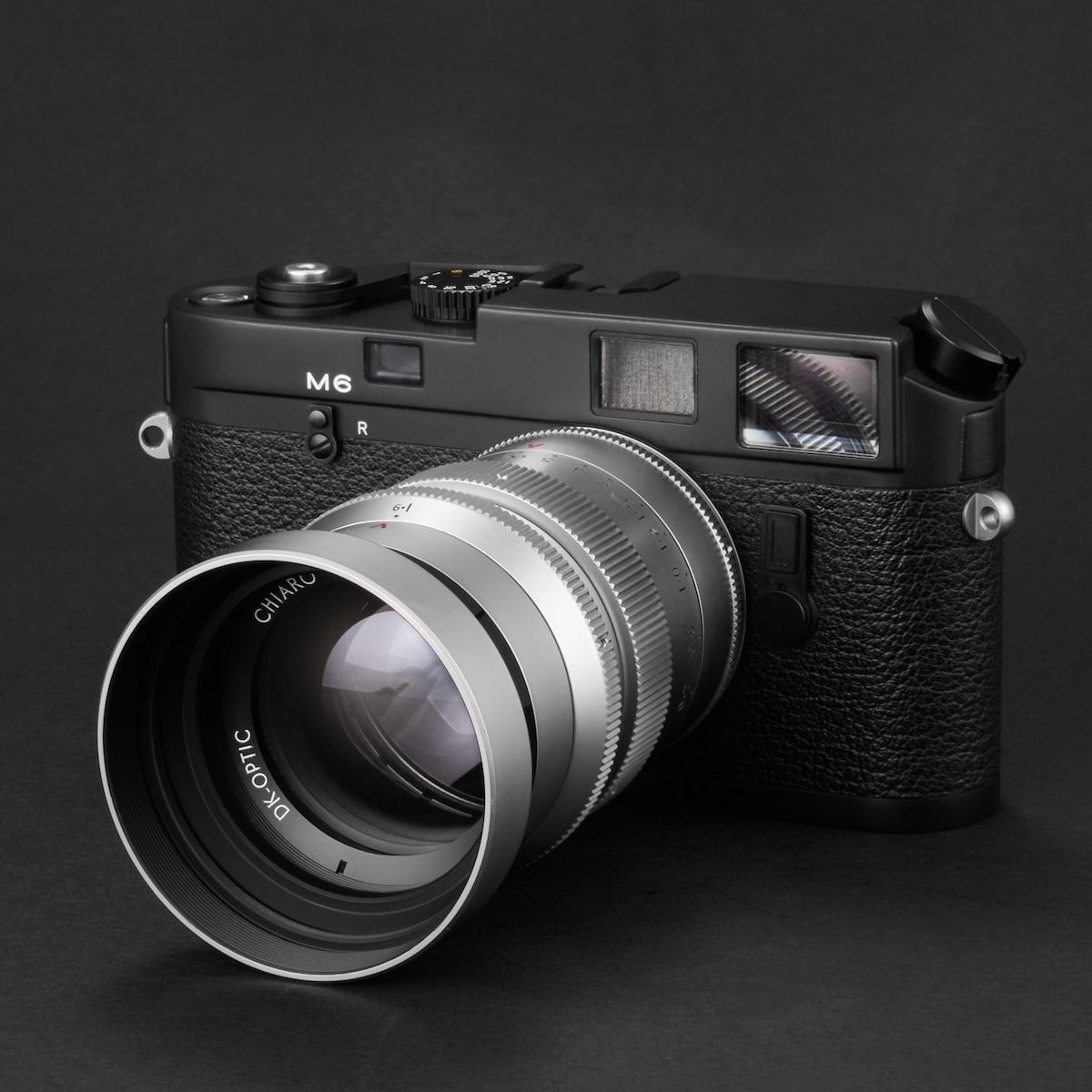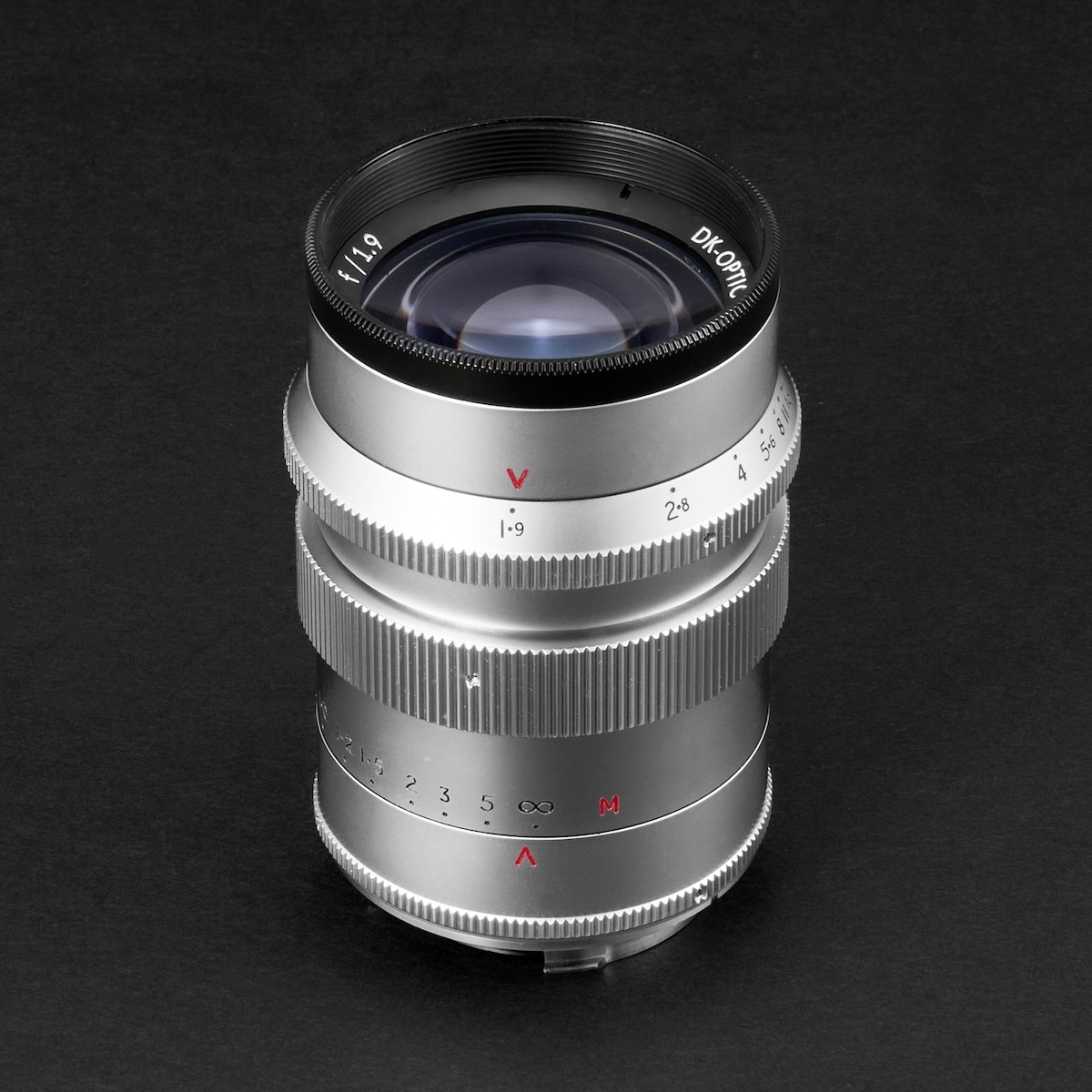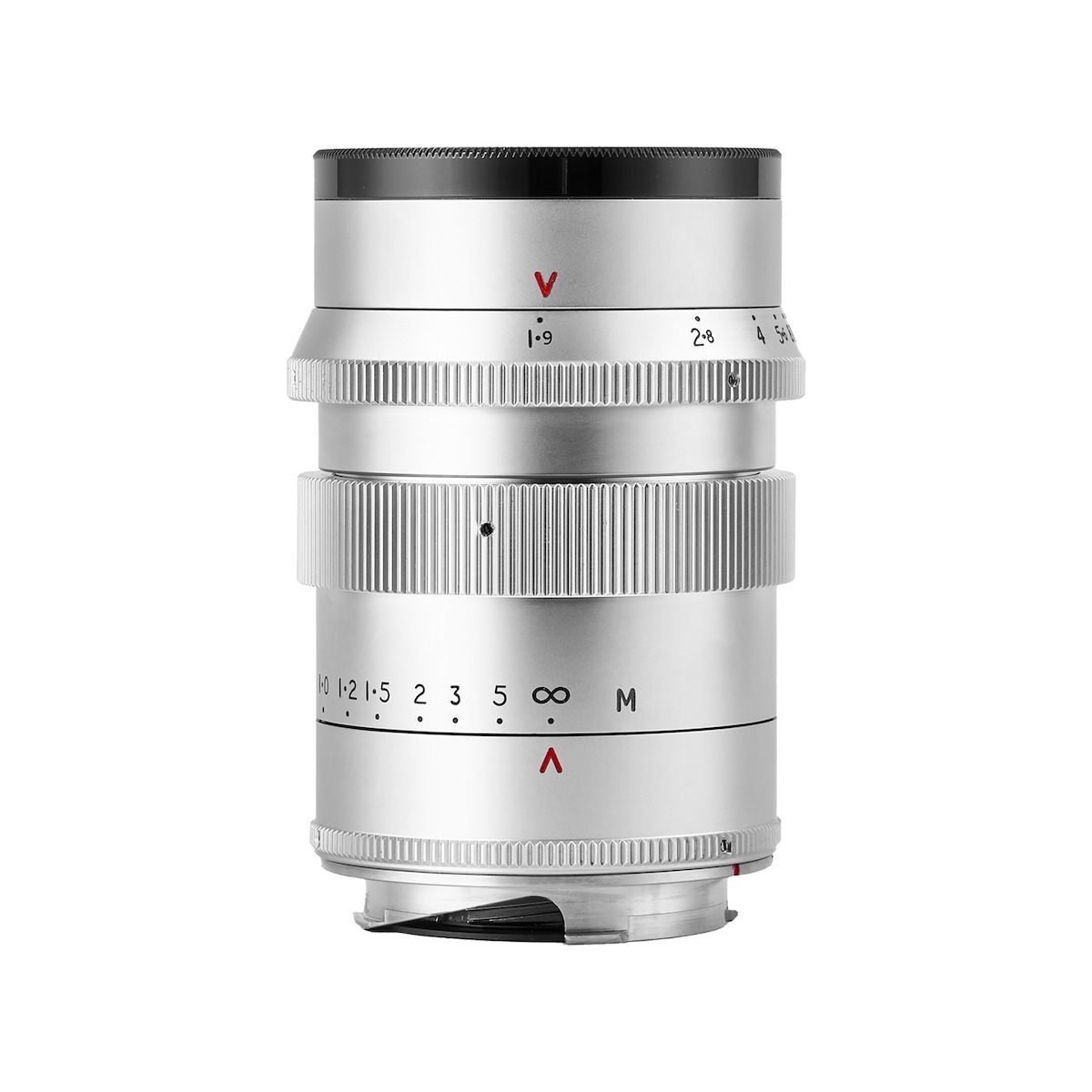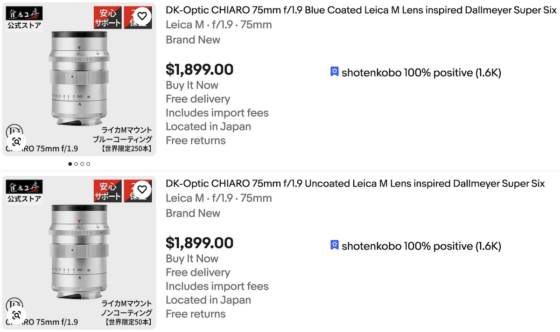
The DK-Optic Chiaro 3-inch is the obvious portrait specialist. Its 76mm focal length and large image circle (it covers 645 medium format sensors) create an impressive sense of separation, but its size and field of view naturally make it a more specialised lens. The Impastolite 2-inch is perhaps the more overtly characterful lens, with its Septac-inspired glow, swirl and flare. It is a lens which proudly refuses to behave like a modern corrected fifty.
This is not a lens for photographers who prioritise perfect corners, absolute flare resistance, conventional clicked aperture settings or clinical consistency at every distance.
The DK-Optic Chiaro 1.5 inch is for photographers who appreciate the difference between sharpness and presence. It is for those who understand that bokeh is not merely the quantity of blur but the quality of the transition into it.
You can read the full review here. Additional information on the new DK-Optic Chiaro 1.5-inch (38mm) f/1.9 lens can be found here (previous coverage of DK-Optic is available here):
The Leica Q is the best-selling Leica camera, according to a recent presentation by Leica’s VP of global marketing, Andrea Pacella. Leica sells more than twice as many Q fixed cameras as M rangefinders.
The new 35mm f/2 APO-ASPH “Apochromatic” lens for Leica M-mount by Light Lens Lab is already in production and will be available for pre-order in August (check the official website for updates). There will be three different finishes:
Aluminum Black Paint
Aluminum Silver Chrome: order begins in November; shipping begins in early 2027
Titanium Gray Limited Edition (pictured above): preorders will start in August; shipment begins in September 2026 through November (shipping time subject to change due to difficulty of APO lens production)
Pricing will start at approximately $2,000-$2,300.